FAQ
Questions and answers
- How do I choose a water damage restoration provider?
- Ask a few simple questions. Does the provider use drying equipment and track moisture levels? Will they give a written quote? Can they explain the steps in plain words? Check that they are licensed and insured where your state requires it. Yardspersonal Restoration is a referral service. Providers in our network are independent, so always confirm details with the one you pick.
- How much does water damage cleanup cost?
- Cost depends on the job. In the U.S., small cleanups often run a few hundred to a few thousand dollars. Larger jobs with wet walls, floors or a flooded basement can reach several thousand more. Water type, size of the area and repairs all change the price. Ask each provider for a written quote that lists the work before you agree to anything.
- What should I do first when water gets into my home?
- Stay safe first. If water is near outlets or the panel, stay out and shut off power only if you can do it safely. Stop the source if you can, like a burst pipe valve. Move small items to dry ground. Take photos for your records. Then Request a callback to check provider availability, or send a request through the form.
- Will my homeowners insurance pay for water damage?
- It depends on your policy. Some policies may cover sudden damage, like a burst pipe. Many do not cover slow leaks or flooding from outside. Read your policy or ask your agent. Providers can often help document damage with photos and notes for a claim. Nobody can promise coverage before your insurer reviews the loss.
- Is it safe to stay in the house after a flood?
- Sometimes, but not always. Stay out if water touches electrical items, if the floor feels weak, or if the water may be sewage or storm water. Those can carry germs. Children, older adults and pets face more risk. Ask a provider to check the space before you move back in. When in doubt, stay somewhere else.
- How long does structural drying take?
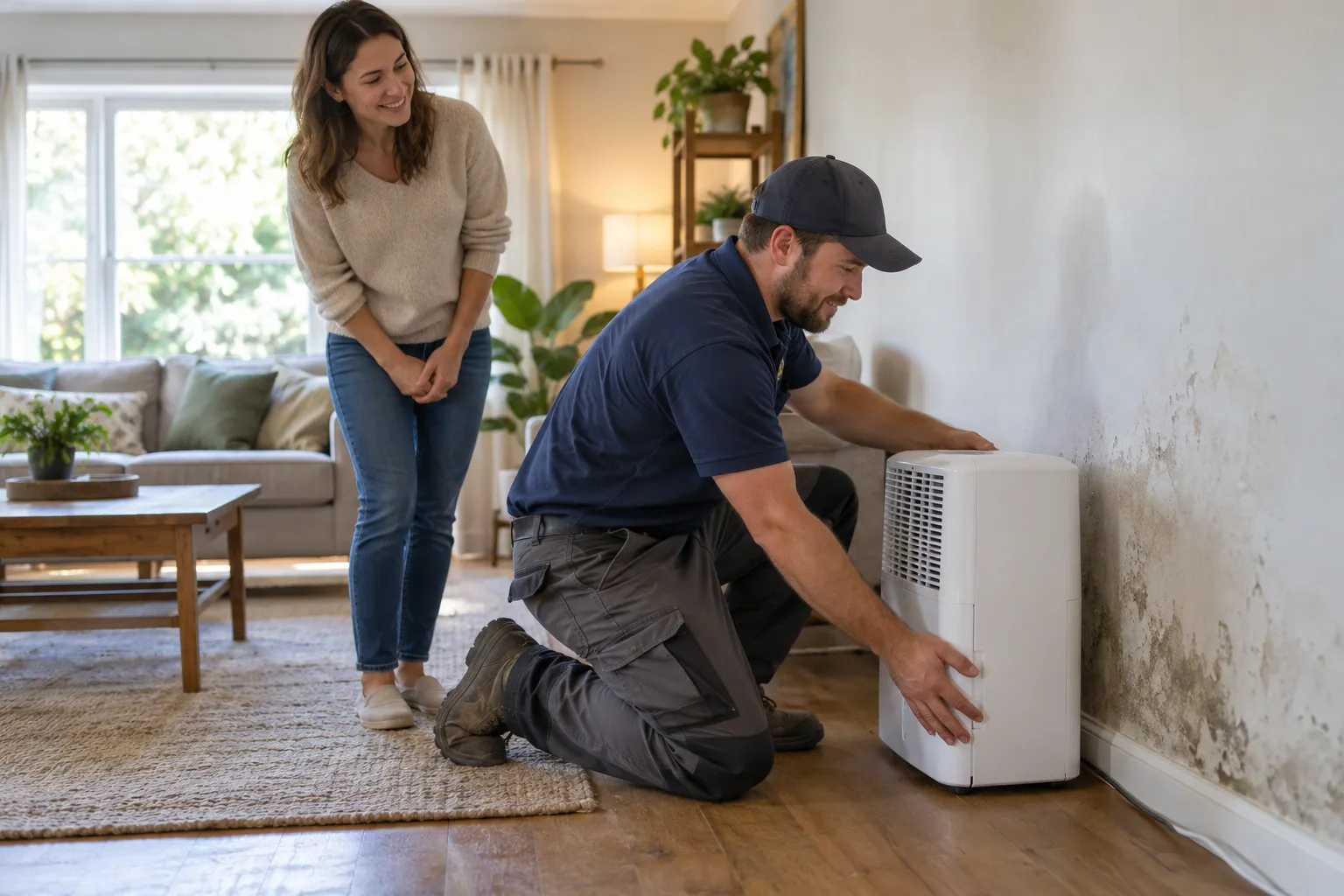
- Structural drying means drying walls, floors and framing, not just the surface. Many jobs take a few days. Thick materials, older homes and deep water can take longer. Providers use fans, dehumidifiers and moisture meters, then check readings until the wood is dry. Ask the provider for a plan that fits your family routine.
- How can I prevent water damage and basement flooding?
- Small habits help a lot. Clean gutters and point downspouts away from the house. Test your sump pump each season. Seal cracks in foundation walls. Insulate pipes that run through cold spaces, since freeze-thaw cycles and snowmelt put stress on older homes. Know where your main water shutoff is, and check hoses on washers and water heaters.
- Can mold grow after water damage, and what should I do?
- Yes. Mold can start to grow on damp materials within a couple of days. Dry the area fast and keep air moving. Do not ignore a musty smell or dark spots. Some jobs need removal of wet drywall or carpet. A provider can test moisture, dry the home and tell you if mold needs extra steps.